

Sampoorna
empowering for better health
project initiated in 2021
19,633 benefeciaries
Project Sampoorna is a comprehensive health and nutrition initiative to address anaemia, undernutrition and preventive health challenges among tribal communities in the Valsad district. Adopting a life-cycle approach, the project supports adolescents, women of reproductive age, pregnant and lactating mothers, eligible couples and children during the critical first 1,000 days of life. Implemented across villages, schools, colleges, and vocational institutions, the initiative promotes healthier practices through anaemia screening, nutrition education, counselling, IFA supplementation and referral support.
Recognising adolescence as a critical stage for shaping lifelong habits, the project engages girls and boys through school- and community-based interventions focused on nutrition, menstrual hygiene, mental well-being and healthy lifestyles. Schools were strengthened through wellbeing corners, health audits, and initiatives promoting supportive learning environments.
The project also focuses on maternal and child health through counselling, growth monitoring, nutrition support, and referral services for pregnant women, lactating mothers, and young children. Through the participation of community volunteers, teachers, women’s groups, and frontline workers, Project Sampoorna has contributed towards improving nutrition awareness and strengthening maternal and child health outcomes in tribal communities.
2025-26 highlights
- screened 16,237 individuals; among 8,309 anaemic cases, 81% showed anaemia improvement post-intervention strengthened leadership by developing 33 ananditas (community health volunteers) and 374 peer educators
- counselled 2,703 mothers and 852 children for first 1,000 days
- strengthened leadership, enabling 5 health-promoting schools through improved practices
- invited to conduct training for anganwadi helpers by Integrated Child Development Services of Valsad district
Towards a healthier me
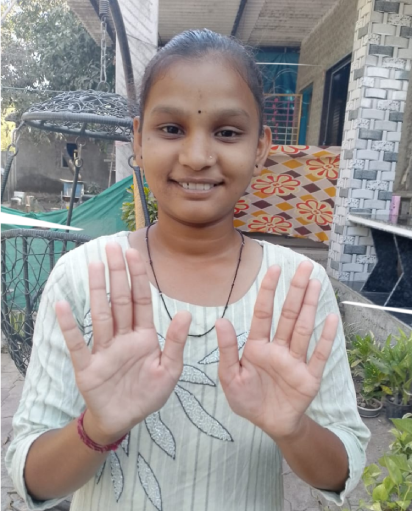
‘During a screening conducted in June 2023 at my school, my haemoglobin level was at 4.4 g | dl. I also carried sickle cell disease traits. The team referred me to the civil hospital, where they assisted with my blood transfusion process and counselled me on regular medication. My haemoglobin level has now increased to 11.3 g | dl,’ shares Pooja Halpati of Dived village.